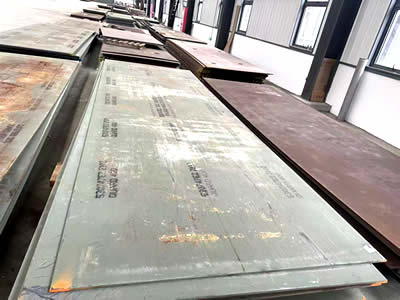
Characteristics of wear-resistant composite steel plates
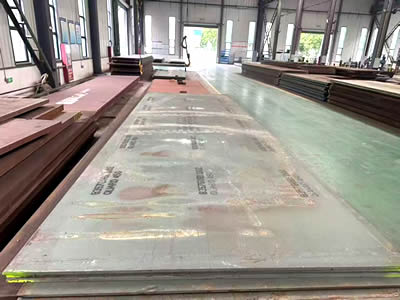
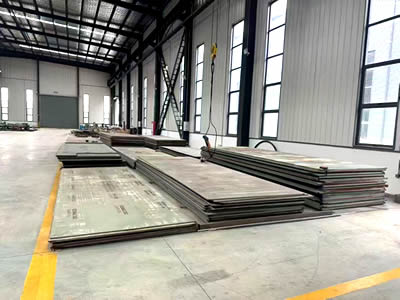
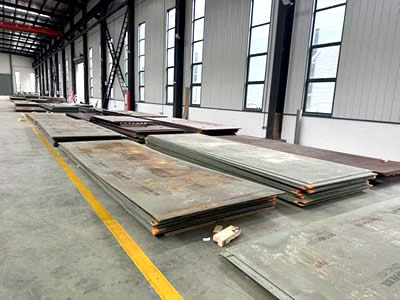
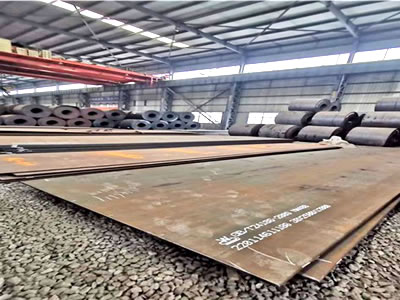
The wear-resistant composite steel plate consists of two parts: a low-carbon steel plate and an alloy wear-resistant layer. The alloy wear-resistant layer typically accounts for 1/3 to 1/2 of the total thickness. During operation, the base material provides comprehensive properties such as strength, toughness, and plasticity to resist external forces, while the alloy wear-resistant layer provides wear and heat resistance to meet the requirements of specific working conditions.
The alloy wear-resistant layer and the base plate of the wear-resistant composite steel plate are fully metallurgically bonded. Through specialized equipment and automatic welding process, high-hardness self-shielded alloy welding wire or alloy powder is uniformly welded onto the base plate. The composite layer can be one to two layers or even multiple layers. During the composite process, due to different alloy shrinkage ratios, uniform transverse cracks appear, which is a prominent characteristic of wear-resistant steel plates.
The wear-resistant layer of the alloy is primarily composed of chromium alloy, with the addition of other alloy components such as manganese, molybdenum, niobium, nickel, and boron. In the metallographic structure, carbides are distributed in a fibrous manner, with the fiber direction perpendicular to the surface. The microhardness of the carbides can reach over HV1700-2000, and the surface hardness can reach HRC58-65. The alloy carbides exhibit strong stability at high temperatures, maintaining high hardness, and also possess excellent oxidation resistance, allowing for full normal use up to 500℃.
Wear-resistant composite steel plates exhibit high wear resistance and good impact resistance, enabling processes such as cutting, bending, and welding. They can be connected to other structures through welding, plug welding, bolt connections, and other methods. During maintenance on-site, they offer time-saving and convenience features. These plates are widely used in industries such as metallurgy, coal, cement, electricity, glass, mining, building materials, brick and tile, and ports. Compared to other materials, they offer a high cost-performance ratio.