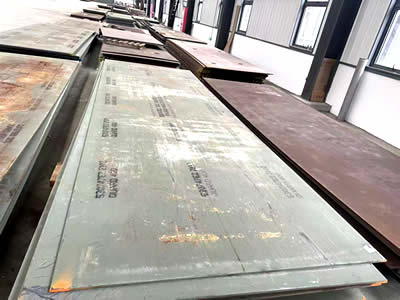
Chemical composition of wear-resistant steel plate
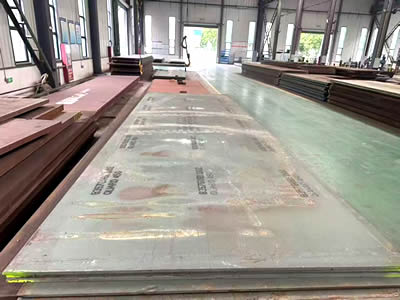
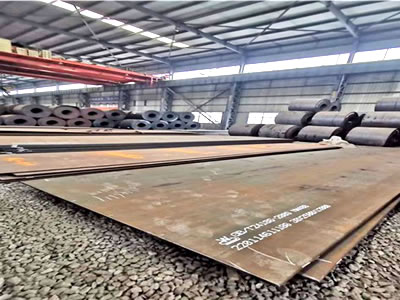
The chemical composition of wear-resistant steel plates refers to the composition ratio of elements such as carbon (C), silicon (Si), manganese (Mn), and chromium (Cr) in the wear-resistant steel plate products. Its core function lies in enhancing wear resistance and mechanical strength through material optimization. Common brands include the RAEX series and the HARDOX series. Among them, HARDOX is divided into over 400 to 600 grades based on hardness, covering a hardness range of 400-600HBW, suitable for different wear scenarios.
RAEX wear-resistant steel possesses high hardness and toughness, enabling cold forming processing with a maximum forming thickness of 20mm. For bending, it is necessary to preheat to 150-200℃ to enhance the success rate. The characteristics of various HARDOX models differ significantly: 400 and 450 exhibit both weldability and load-bearing capacity; 500-550 are used in high-wear areas while maintaining toughness; 600 is the highest hardness model, serving as a substitute for cast steel and alloy cast iron. The steel is produced using an electric arc furnace combined with vertical continuous casting technology, featuring a microstructure composed of austenite and dispersed carbides, and the wear-resistant layer is strengthened through strain-induced martensitic transformation.
This material is widely used in the manufacturing of mining machinery, construction vehicles, and other equipment. When welding, it is necessary to use specialized welding wire and control heat input. The delivery status includes water toughening treatment, with a hardness of ≤250HBW, and mechanical properties meeting tensile strength standards of 650-800MPa and high impact toughness criteria.