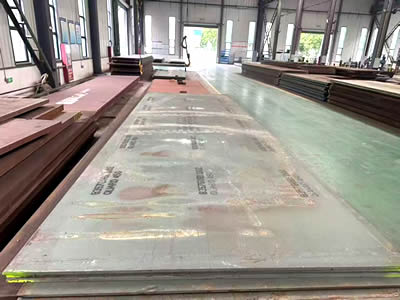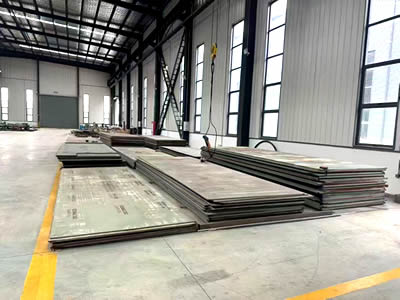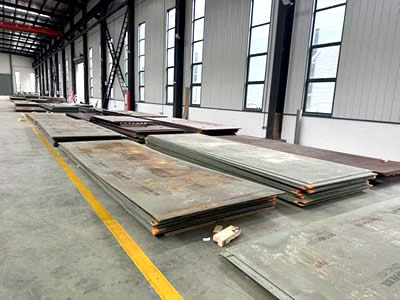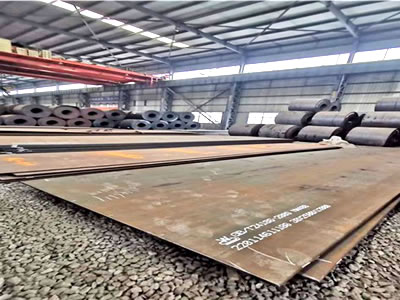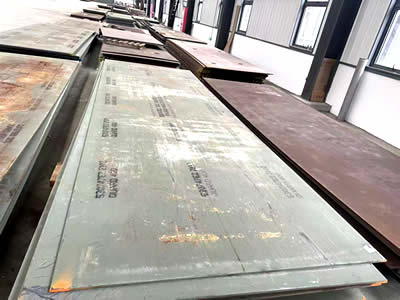
What is the implementation standard for wear-resistant plates?
Wear-resistant plate is a steel plate material with high wear resistance, and its implementation standards primarily refer to two standards: GB/T 13314-2008 "Sampling Method for Chemical Analysis of Steel and Allowable Deviation of Chemical Composition of Finished Products" and YB/T 5135-2010 "Wear-resistant Steel Plates and Steel Strips".
In GB/T 13314-2008, the sampling method and sample preparation requirements for wear-resistant steel plates are specified, including the selection location of the sample and methods such as cutting, grinding, and polishing, to ensure that the wear resistance of the sample can represent the average performance of the entire steel plate. In addition, the standard also stipulates the allowable deviation of the chemical composition of the finished product to ensure the quality stability of the wear-resistant steel plate.
In YB/T 5135-2010, detailed requirements are specified for the dimensions, shape, weight, technical specifications, testing methods, inspection rules, packaging marks, and quality certificates of wear-resistant steel plates. The technical specifications encompass various aspects such as wear resistance, tensile properties, impact toughness, and bending properties, ensuring that the wear-resistant steel plates exhibit excellent wear resistance and mechanical strength during use. Additionally, this standard stipulates the manufacturing, processing, and inspection of wear-resistant steel plates to guarantee that their quality and performance meet the required standards.
In summary, the implementation standards for wear-resistant plates are aimed at ensuring their high wear resistance and quality stability, while facilitating material selection and use in practical applications. These standards are formulated after extensive research and testing, and they possess high authority and guiding significance.